
If It's Fast, Cheap, or Easy, That Might Be Why Nothing Is Sticking
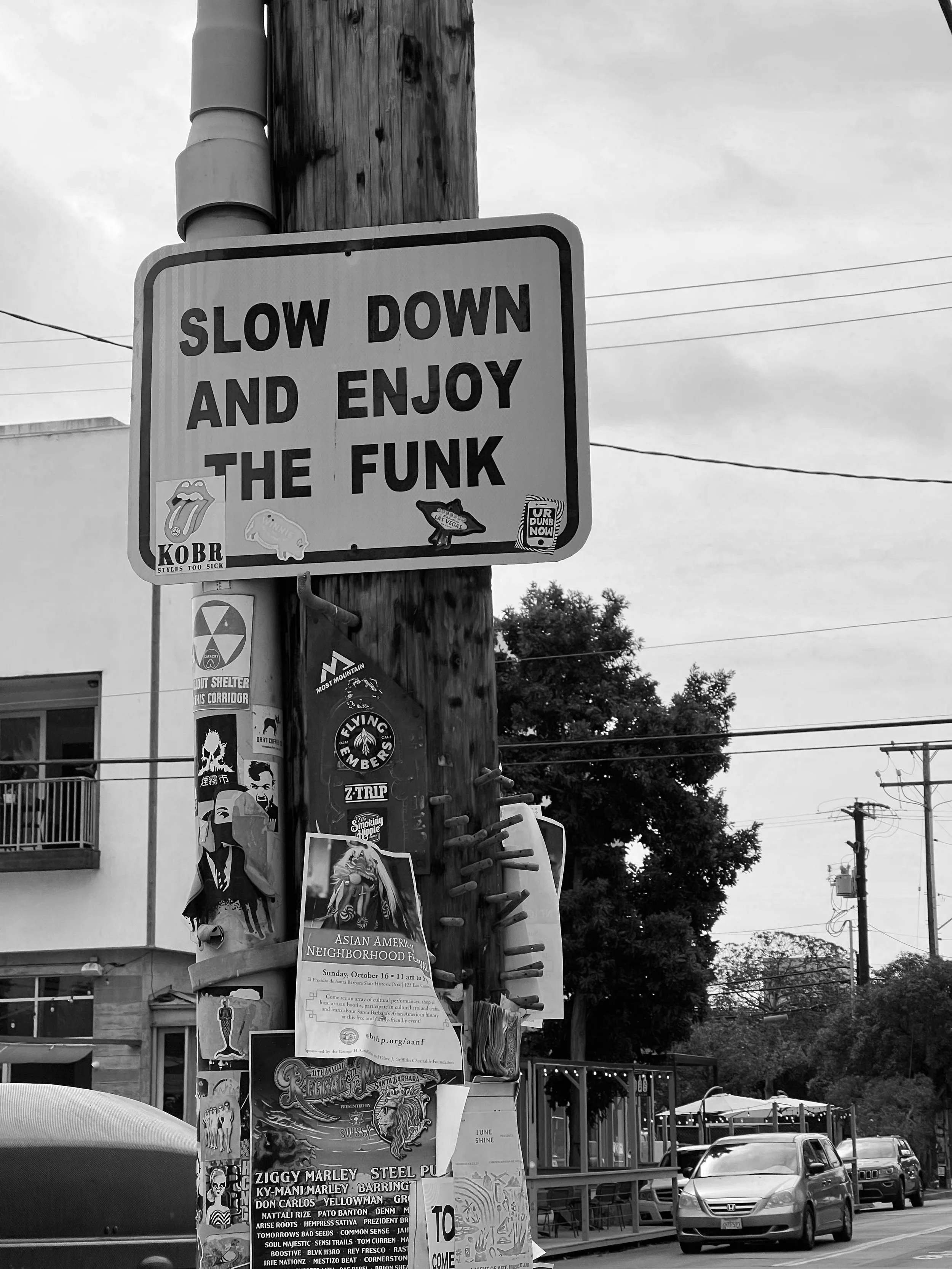
There's a certain kind of exhaustion that comes not from working too hard, but from starting over too many times.
You try the new approach, invest in the course, implement the strategy, and for a moment it feels like this might be the thing. Then it fades, or you abandon it, or it just never quite takes root the way you hoped.
If that loop feels familiar, it's worth asking an honest question: have the solutions you've been reaching for been fast, cheap, or easy?
Not as a judgment, as a clue.
If it's fast...
We live in a world that has made speed a virtue. Everything is instant, optimized, delivered before you've finished wanting it, and it's easy to forget that quick is not always best.
Slowing down is genuinely countercultural now. It requires a willingness to not do, to sit with something, to let it develop at the pace it actually needs.
When was the last time you made a business decision slowly and deliberately? One where you sat with it long enough to feel it in your body, not just think it through in your head?
Speed has its place. But the things that last - the clarity, the positioning, the client relationships, the sense of knowing who you are in your work - those don't arrive fast. They arrive through presence.
If it's cheap...
I love a good deal. That's not what this is about.
This is about the difference between something that costs you nothing and something you had to extend yourself for. The things most of us have valued most in our lives were things we had to save for, wait for, or take a real leap of faith on. Not because suffering is noble, but because investment creates commitment. When something costs you something real, you show up differently for it.
The cheap solution is easy to abandon. The one you invested in, the one that asked something of you, that's the one you actually do the work with.
If it's easy...
Easy isn't bad, but easy chosen purely because it avoids difficulty is worth examining.
Think about a child learning to tie their shoes. The parent is running late, it's easier to just do it for them, and so they do. Efficient, sure. But what gets lost is the child's experience of figuring it out themselves, the small triumph of capability, the message that they are worth the extra five minutes.
The slightly harder route often carries something the easy one doesn't. Not because struggle is the point, but because the resistance is sometimes where the real learning lives.
So what does this have to do with your business?
If nothing is sticking, it's worth looking honestly at the pattern of what you've been choosing. Not to shame yourself for it, but to get curious about what's underneath it.
Are you choosing fast because slowing down feels unsafe? Cheap because investing in yourself feels like a risk you're not worth? Easy because the harder thing brings up something you'd rather not feel?
Your Human Design chart can show you exactly where these patterns live and what they're actually asking of you. That's not a vague promise. It's specific: which centers, which gates, which conditioned responses have been quietly running the show.
Reflection:
Where in your business have you been choosing fast, cheap, or easy, and what has it actually cost you?
If you're ready to stop guessing and look at where the pattern lives in your specific design, The Single Session is a 60-minute intuitive session where we bring your real question to your chart and find out what it's telling you.
